How a Private Island Birthday Became the Most Unforgettable Luxury Celebration
Recent Trends in Ultra-Premium Celebrations
In the past two to three years, the concept of milestone celebrations has shifted noticeably from grand hotel ballrooms or rented estates toward fully privatized natural environments. Private island experiences—once reserved for honeymoons or corporate retreats—are now a leading choice for milestone birthdays. High-net-worth individuals increasingly seek complete exclusivity, with the ability to control every guest list detail, activity schedule, and aesthetic theme without external interruption.
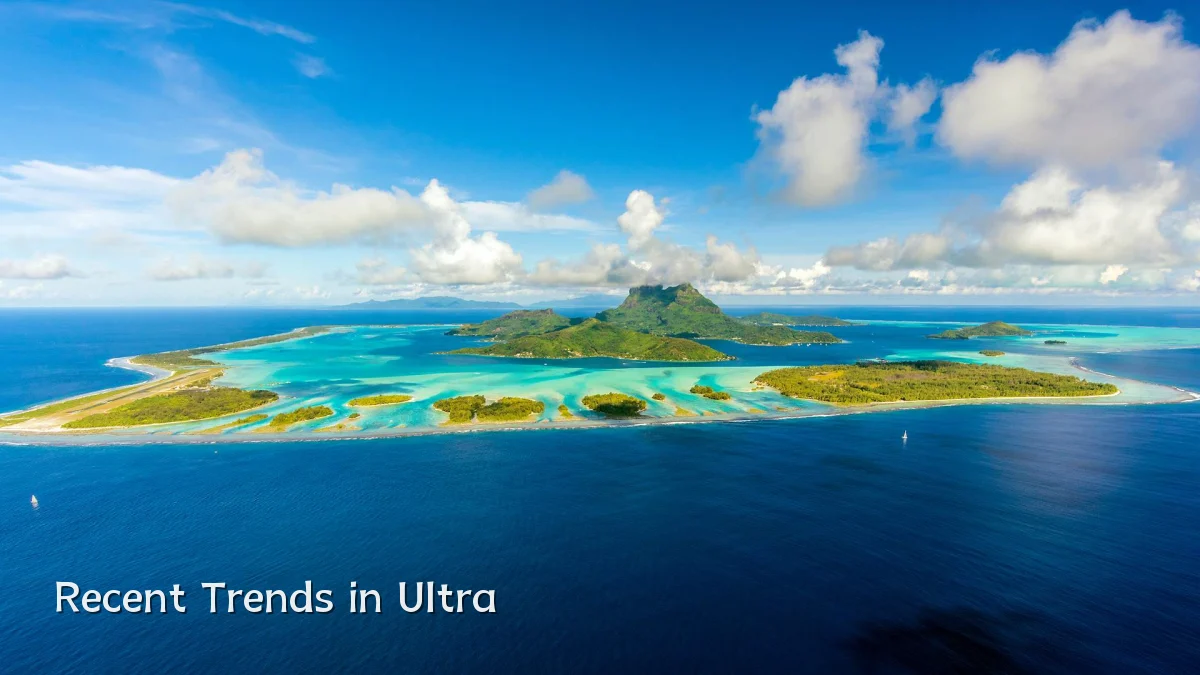
- Demand for fully staffed remote venues with private air and sea transfers has grown steadily across North America, Europe, and Asia-Pacific markets.
- Multi-day programming—including curated dining, water sports, live acoustic performances, and wellness sessions—has become a standard expectation rather than an optional add-on.
- Social media documentation is often limited by contract, with guests agreeing to share only approved imagery post-event, preserving the host’s desired narrative.
Background: The Private Island as a Luxury Stage
The private island birthday concept rests on a simple premise: total control over environment and experience. Unlike a hotel or resort, an island rented in its entirety offers no stranger interaction, no shared facilities, and no competing events. For the host, this means the celebration can be orchestrated down to the minute without external variables. Historically, such rentals were limited to a handful of Caribbean and Pacific properties, but the inventory has expanded in recent years to include temperate-climate islands in Scandinavia, the Mediterranean, and even lake islands in North America.
Industry observers note that the key differentiator is not the location itself but the logistical infrastructure: private seaplane or helicopter access, pre-sourced provisions, and a dedicated on-site coordination team.
User Concerns: Privacy, Logistics, and Environmental Impact
Despite the appeal, potential hosts face several practical concerns that shape decision-making. Privacy remains the top priority: even on a private island, drone flyovers or marine traffic can disrupt the illusion of seclusion. Logistic complexity is a close second—transporting staff, equipment, perishable goods, and guests to a remote location requires weeks of planning. Additionally, environmental considerations have grown more prominent. Guests increasingly ask about waste management, energy sources, and impact on local marine life.
- Privacy: Use of temporary no-fly zones, on-site security, and pre-vetted service crews helps minimize exposure.
- Logistics: A typical multi-day celebration requires 30–50 support staff, backup power systems, and weather contingency plans.
- Environment: Carbon offset programs, single-use plastic bans, and reef-safe product requirements are now frequently written into rental contracts.
Likely Impact on the Celebration Industry
The private island model is influencing the broader luxury celebration sector in measurable ways. Resorts and estate rental platforms are investing in “whole-property buyout” packages that mimic the island experience—complete with private chefs, villa-only pools, and dedicated concierge teams. Yacht charter companies are similarly adapting by offering longer, anchored itineraries that serve as floating island alternatives. If the trend continues, we may see a rise in hybrid events: a private island core with pop-up satellite experiences for guests who cannot commit to the full duration.
- Whole-property resort buyouts have increased as a share of bookings at several five-star properties in the Maldives and Fiji.
- Charter companies report a rise in week-long birthday itineraries with zero port stops, emphasizing onboard programming instead of destination visits.
- Event planners are developing standardized “remote celebration” playbooks to reduce lead time and cost variability.
What to Watch Next
Three developments merit attention. First, the expansion of private island inventory into temperate regions—such as the Great Lakes, Scottish lochs, and Norwegian fjords—could make the model accessible to a wider geographic audience. Second, technology is enabling virtual guest participation: holographic or high-fidelity video streaming for those unable to travel, blurring the line between exclusive and inclusive. Third, the regulatory landscape around temporary private events on previously uninhabited islands is evolving, with several jurisdictions introducing short-term event permits that may simplify or complicate bookings. The private island birthday, once a near-mythical outlier, is becoming a replicable category within luxury celebrations—but its sustainability and scalability remain open questions.